Video placeholder / bubble.mp4
Twenty minute talk / AI and design work
Can designers imagine a step up?
A direct question. A direct answer: yes, if you know what part of the work is actually yours.
1 / 41
Opening, 1 min. Start with the question people actually have, even if they do not say it out loud. “Can designers imagine a step up?” Do not soften it. The talk is not about defending design as a noble profession. It is about finding the part of the work AI does not simply take over.
The answer we keep hearing
Judgment.
Taste.
Sure.
Those words are not wrong. They are just too blurry to help us on Monday morning.
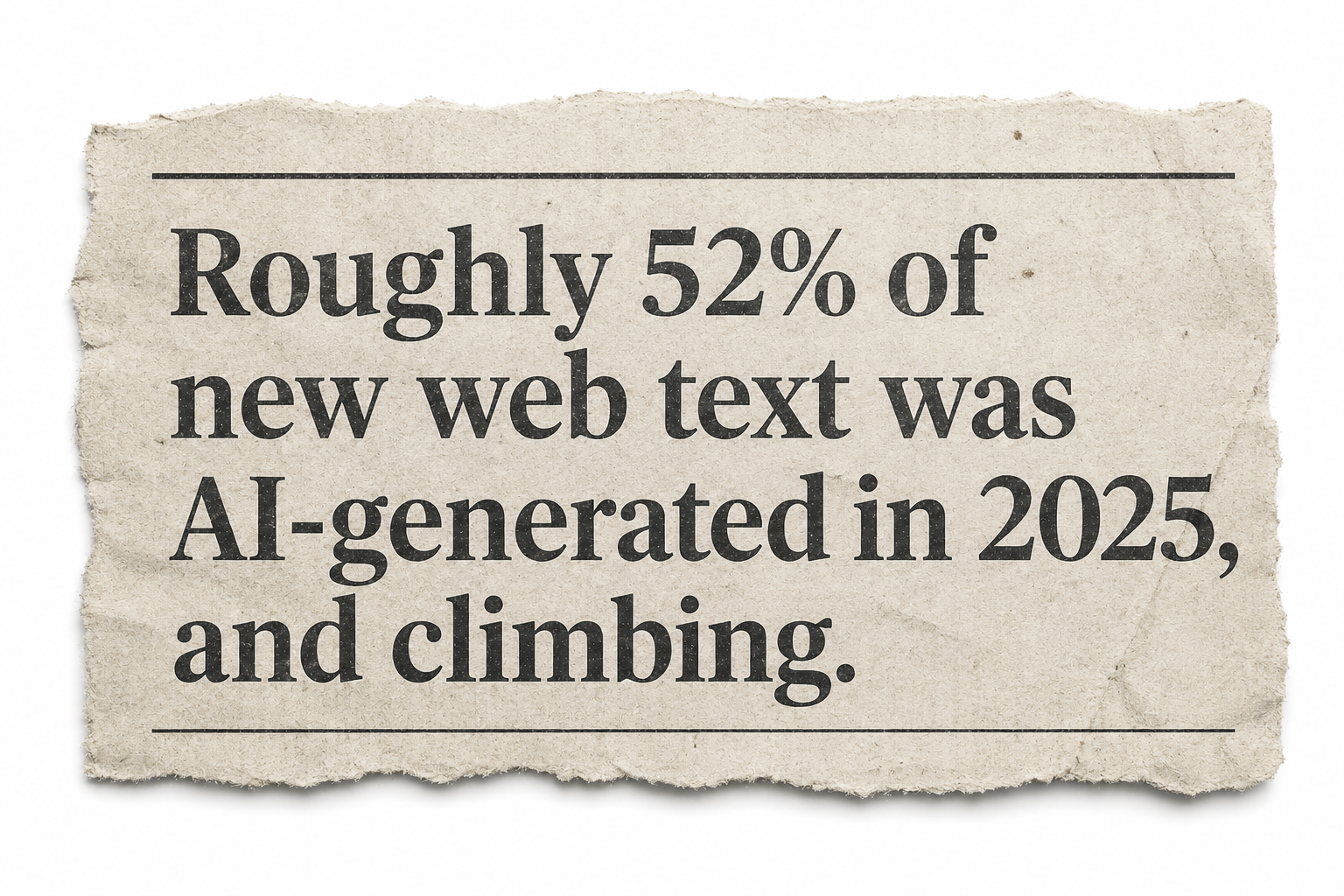
Research.com, 2026 — research.com/advice/
ai-automation-and-the-future-of-graphic-design-degree-careers
2 / 41
Frame, 90 sec. Keep this simple. “Taste” and “judgment” are useful, but they hide the real skill. The real skill is seeing a possible next thing before it exists. That is imagination, and this talk explains why it matters now.
The route
I
Grieve.Some work is really disappearing. Admit it.
II
Name it.Style, taste, vanguard, imagination.
III
Look outside.New material comes from life before it becomes data.
IV
Ahead of the tool.AI is powerful, but it still needs your judgement and direction.
3 / 41
Map, 60 sec. Follow the article closely. First, let people feel the loss. Then give them language. Then explain why imagination needs real-world material. Only after that, return to the tool and why it is not optimal yet.
IGrieving.
Start with the loss. Then we can talk honestly about what still matters.
4 / 41
Transition, 20 sec. Use this as a reset. The first part is not optimism yet. It is naming that something familiar is genuinely disappearing.
I / The shape of loss
The six stages of grief.
01
DenialThis cannot really change the work.
02
AngerThe tool is cheapening what we do.
03
BargainingMaybe it only affects the boring parts.
04
DepressionWhat if the familiar work is gone?
05
AcceptanceSome parts are changing for real.
06
MeaningSo what is still mine to practice?
5 / 41
Part I, 60 sec. Use the grief model lightly, not clinically. The point is that resistance, anger, bargaining, and sadness are understandable reactions when a craft changes. Then move toward meaning: which part of the work still belongs to the designer?
I / It is not just a bubble
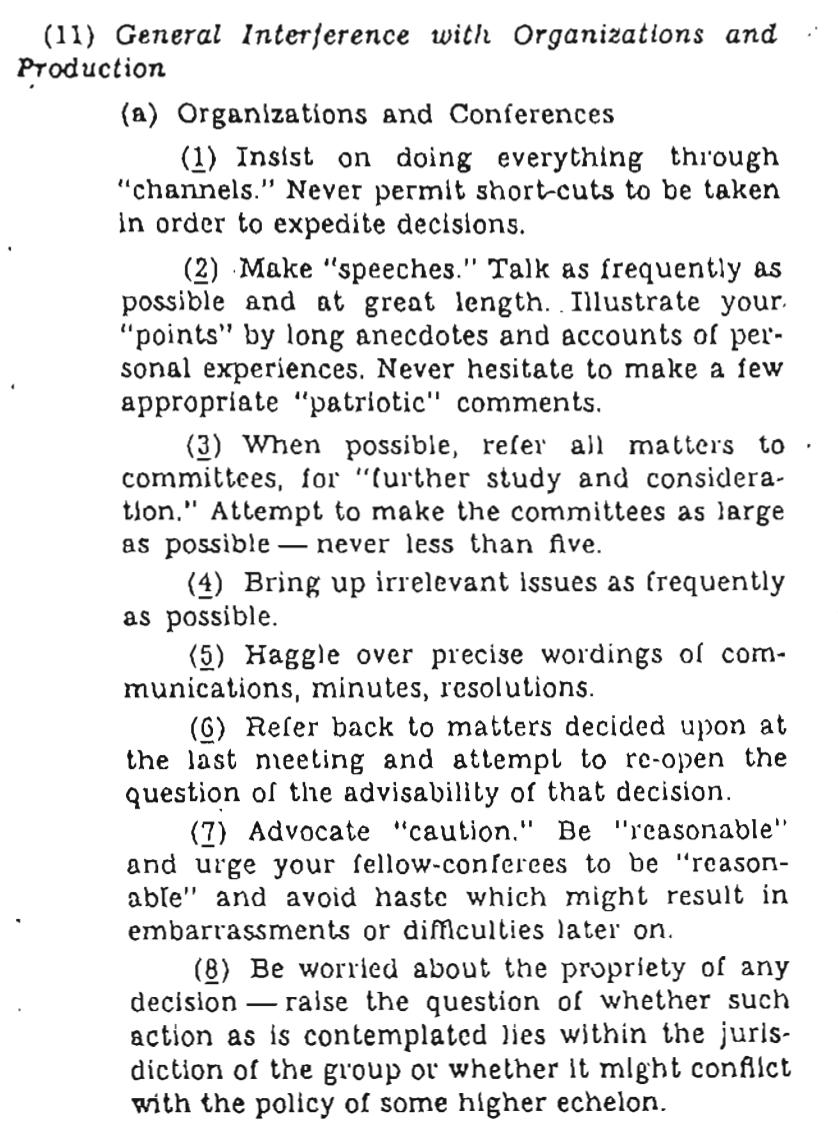
Resistance is good when it doesn't come from fear.
The question cannot only be: "is AI bad?" It also has to be: "can this help me do better work?"
CIA Simple Sabotage Field Manual1944
State of AI Design, 2026 — stateofaidesign.com
6 / 41
Part I, 2 min. Say clearly: ethics matter. Safety matters. But in the workroom, they can also become a way to avoid trying the tool. The CIA manual image helps make that kind of resistance visible: delay, caution, committees, channels.
Ioana Teleanu in LummiIt is just a bubble
Something is ending. That does not mean you are ending.
7 / 41
Part I, 90 sec. This is the grief slide. Designers are not irrational for feeling loss. Some familiar work is ending. The point is to move from “I am being replaced” to “which part of my work was never the valuable part?”
The uncomfortable part
Some work does not have to be human anymore.
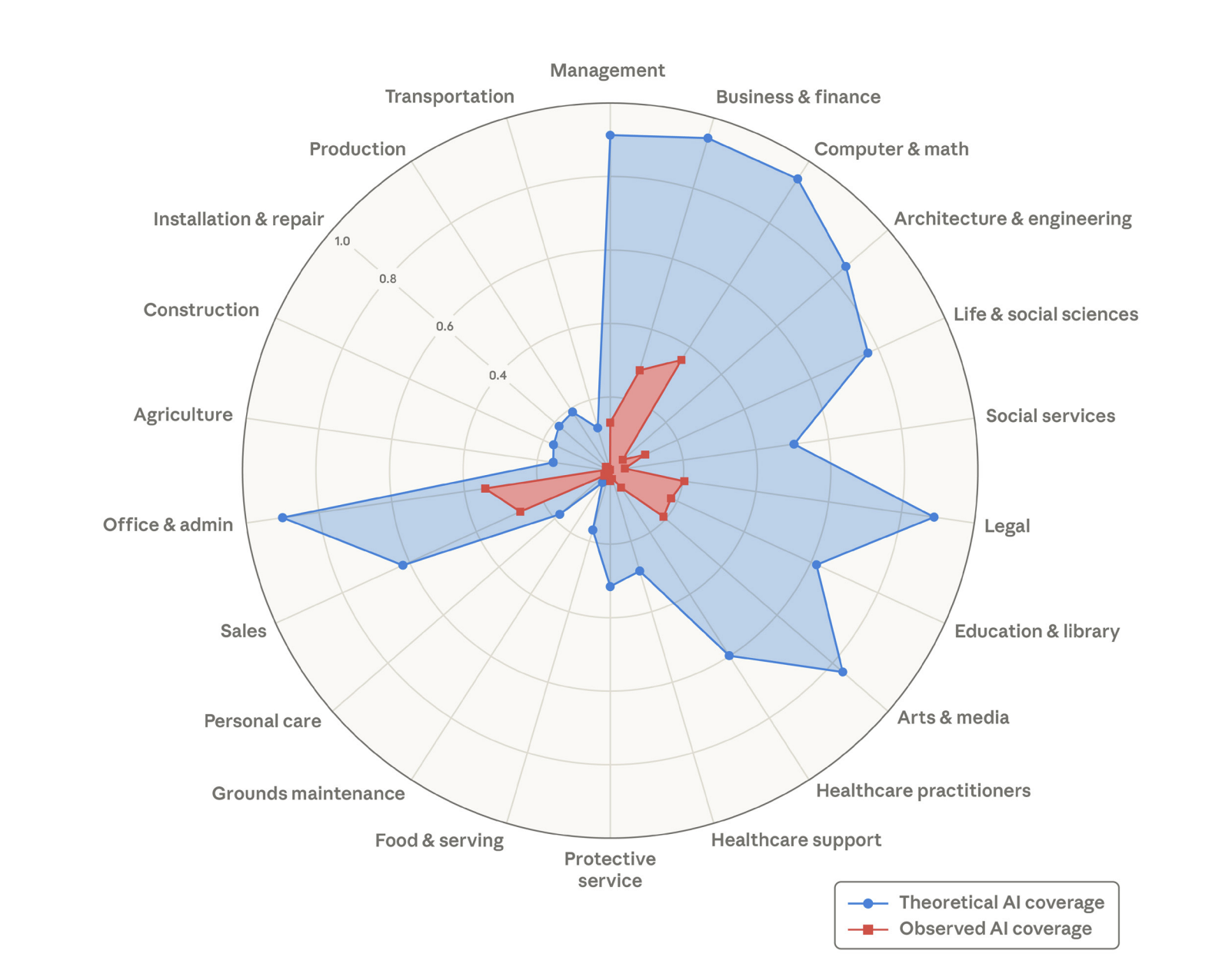
By 2030: 170 million new roles, 92 million displaced — a net gain of 78 million. The work doesn't vanish; it moves.
World Economic Forum, Future of Jobs Report 2025, Jan. 2026 — weforum.org
ChecksError states. Responsiveness. Common patterns.
First draftsThe thing you used to assemble before the real decision started.
Divergent creativityIdeas are collaborative.
8 / 41
Transfer, 90 sec. Do not over-explain. Many designers spent years doing this work, and it mattered. But AI can now do a lot of it well enough. That is painful. It also frees attention. The question is where that attention goes.
IIFour concepts.
These will tell why you can step up.
9 / 41
Transition, 20 sec. Move from grief into practical vocabulary. These four words help the audience tell apart work AI can mimic from work that still needs a person close to culture.
II / Four concepts
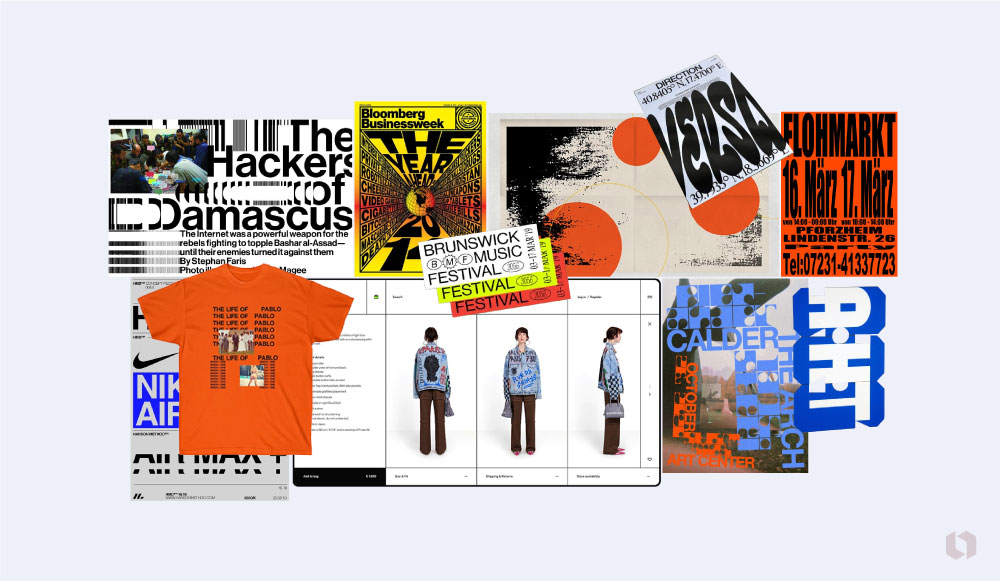
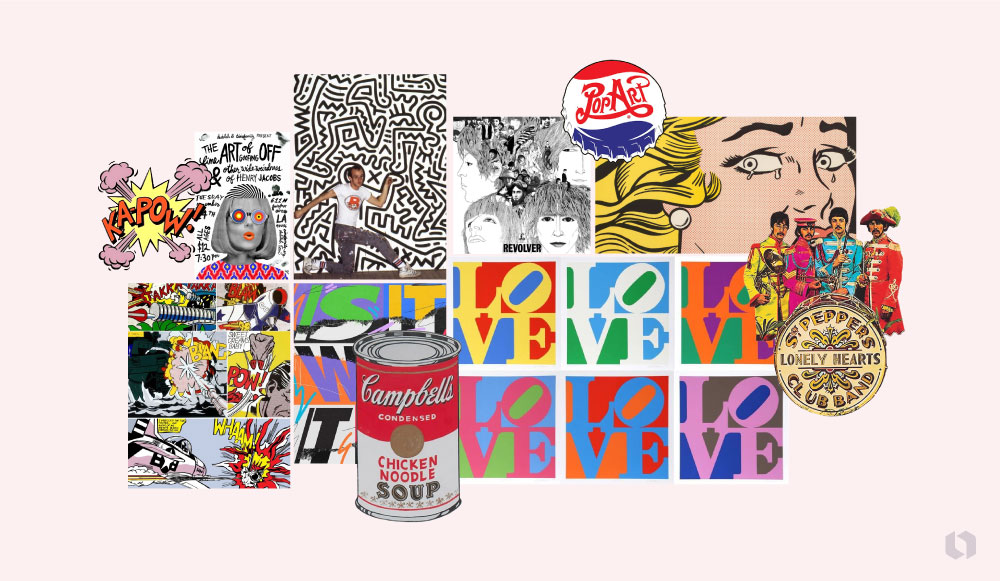
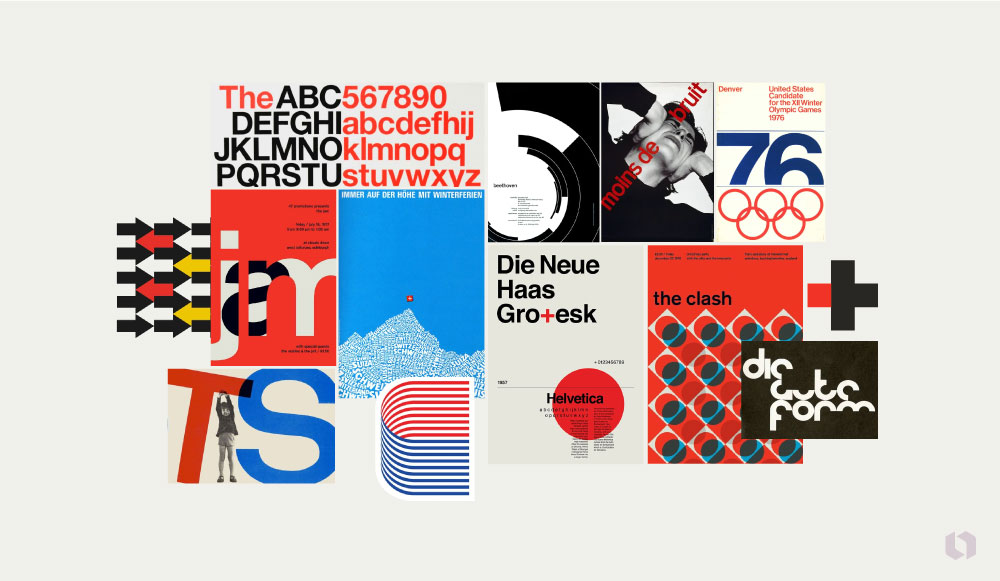
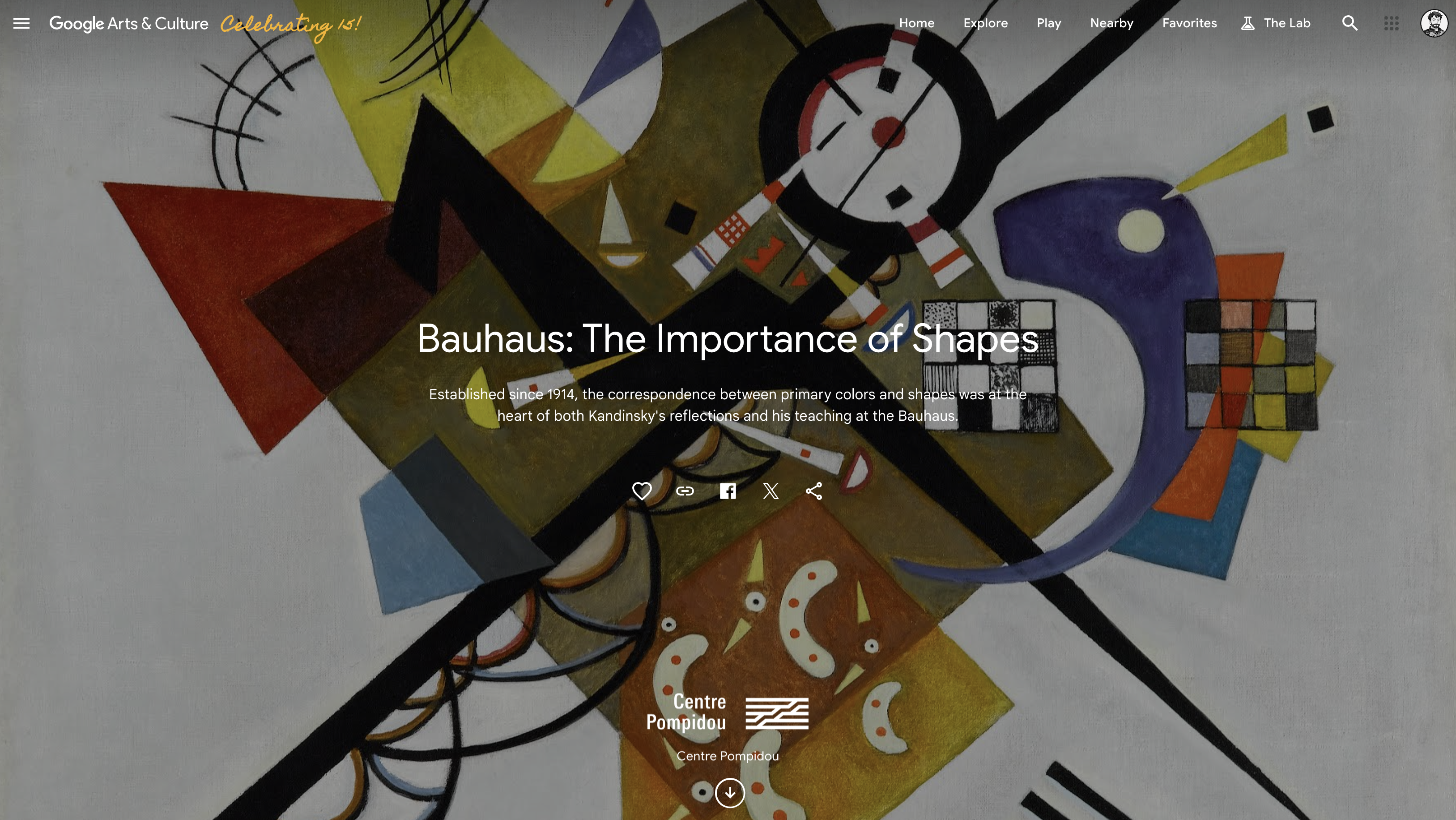
Style
A language.Colors, shapes, rhythm, references that already make sense together.
Taste
A choice.This fits. This does not. This is too much. This is right.
Vanguard
A break.Something new before people know what to call it.
Imagination
An image.Seeing the next thing before it exists.
The VC Corner, 2026 — thevccorner.com/p/why-taste-is-the-new-moat
10 / 41
Vocabulary, 2 min. This is the helpful part for the audience. Make the terms ordinary. Style is a language. Taste is choosing inside that language. Vanguard is the break. Imagination is holding the image before the world has made it easy.

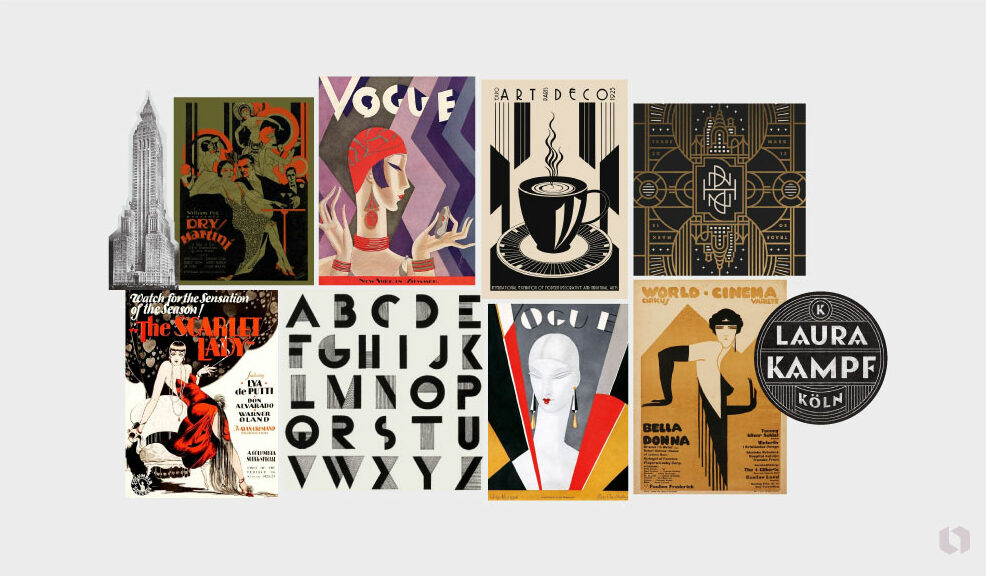
Style
11 / 41
Style image. Style is the shared visual language people can recognize before they can explain it.
Art DecoSource: Looka.com
12 / 41
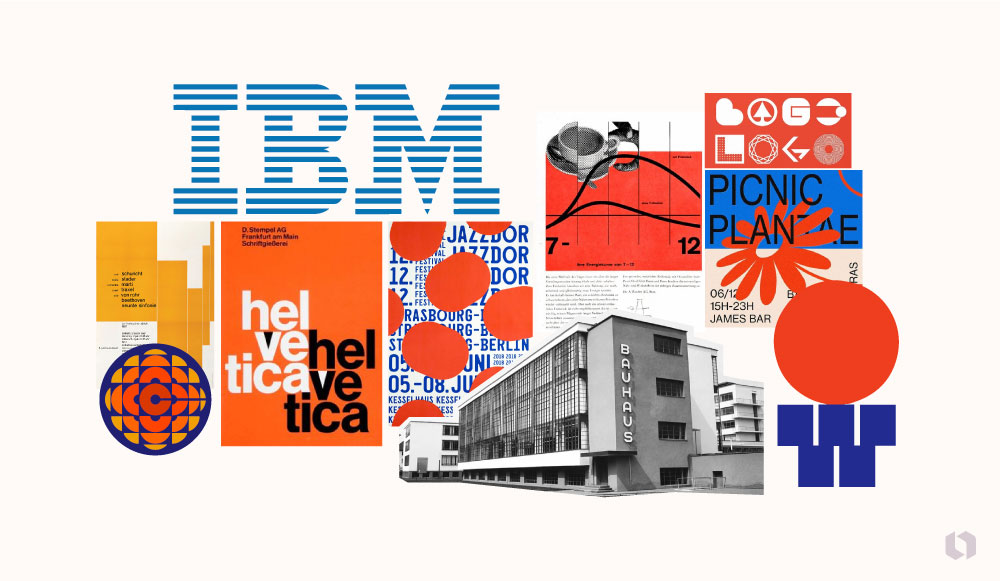
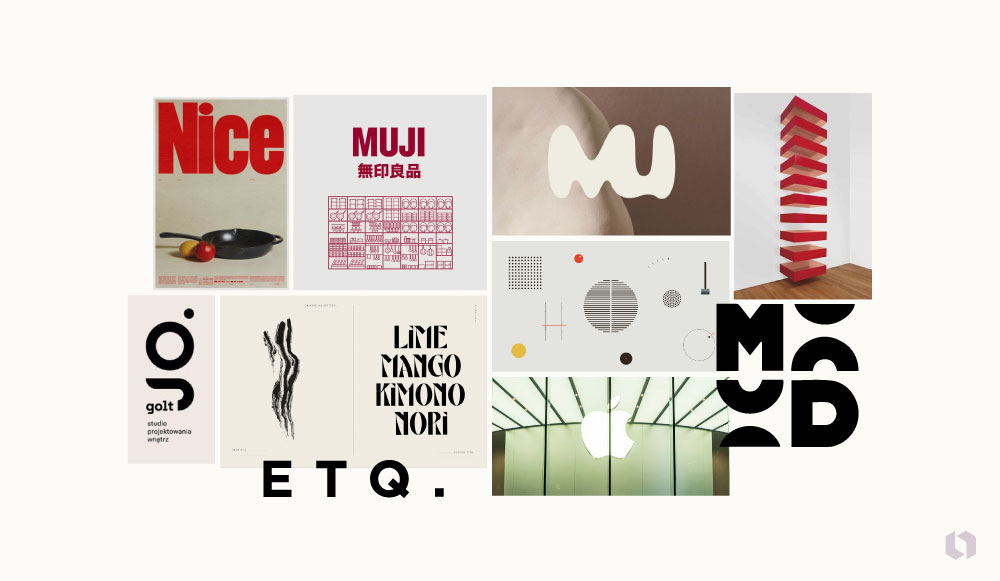
Style study. Seven visual styles rotate every 1.5 seconds. Source: Looka.com.
13 / 41
Style study. Centered visual example for style.
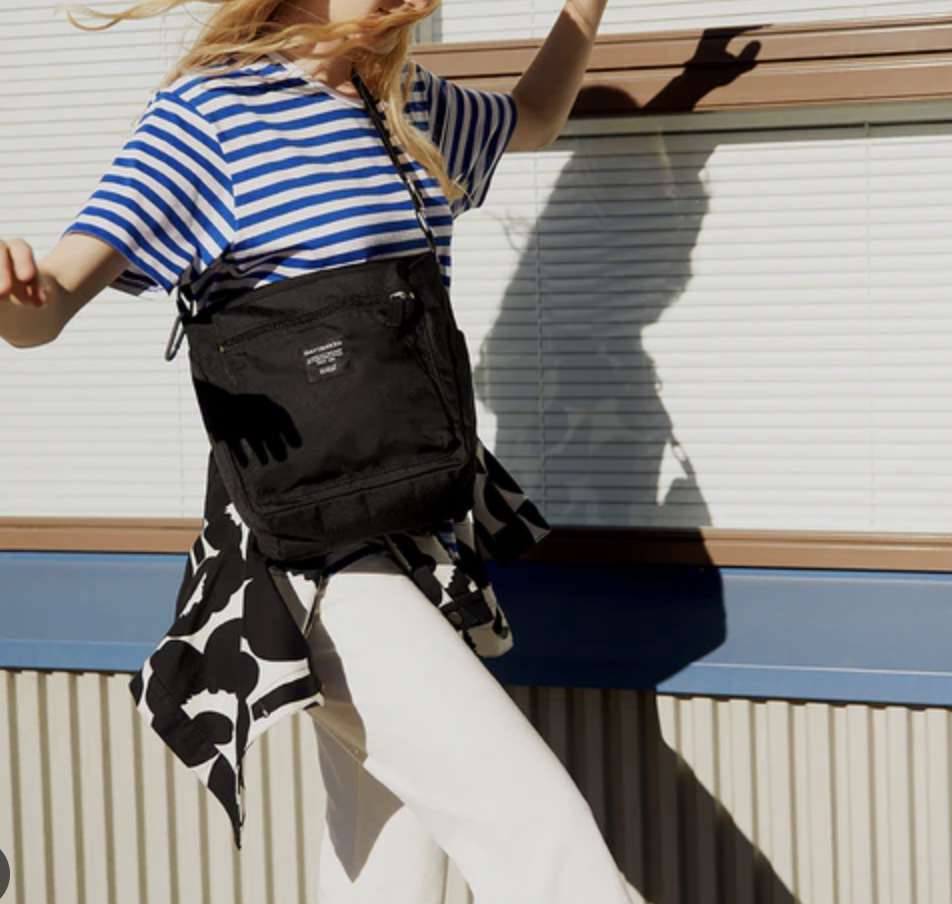
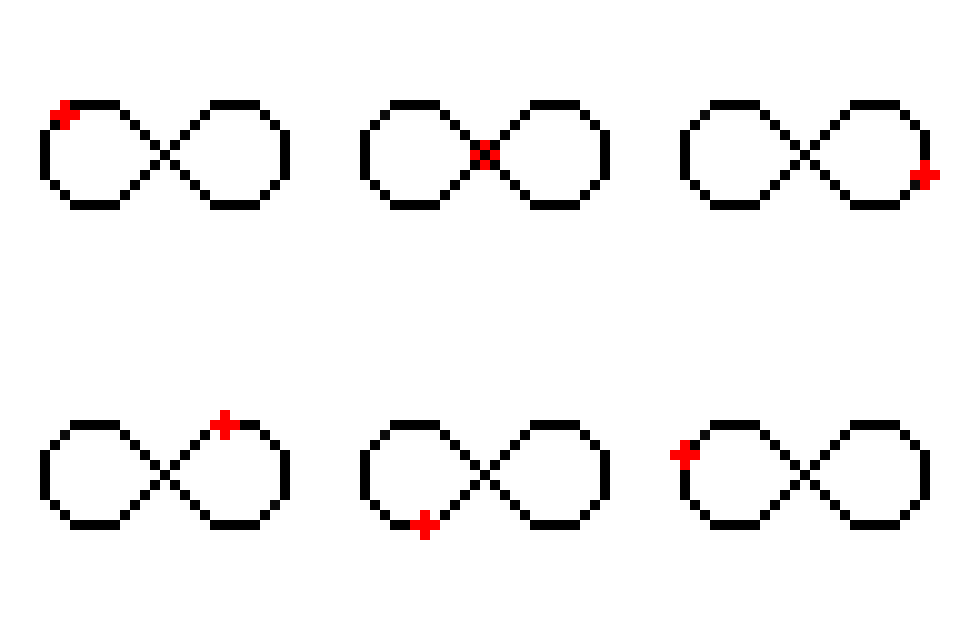
Taste
14 / 41
Taste image. Taste is selection: this works, this is too much, this belongs, this does not.
Bad taste is about exaggeration and discrepancy.
It creates effects, not meaning.
After Umberto Eco, "The Structure of Bad Taste," in The Open Work (1962; English trans. 1989).
15 / 41
Taste quote. This paraphrases Eco's argument about bad taste and kitsch: effects are forced in ways that substitute sensation for meaning.
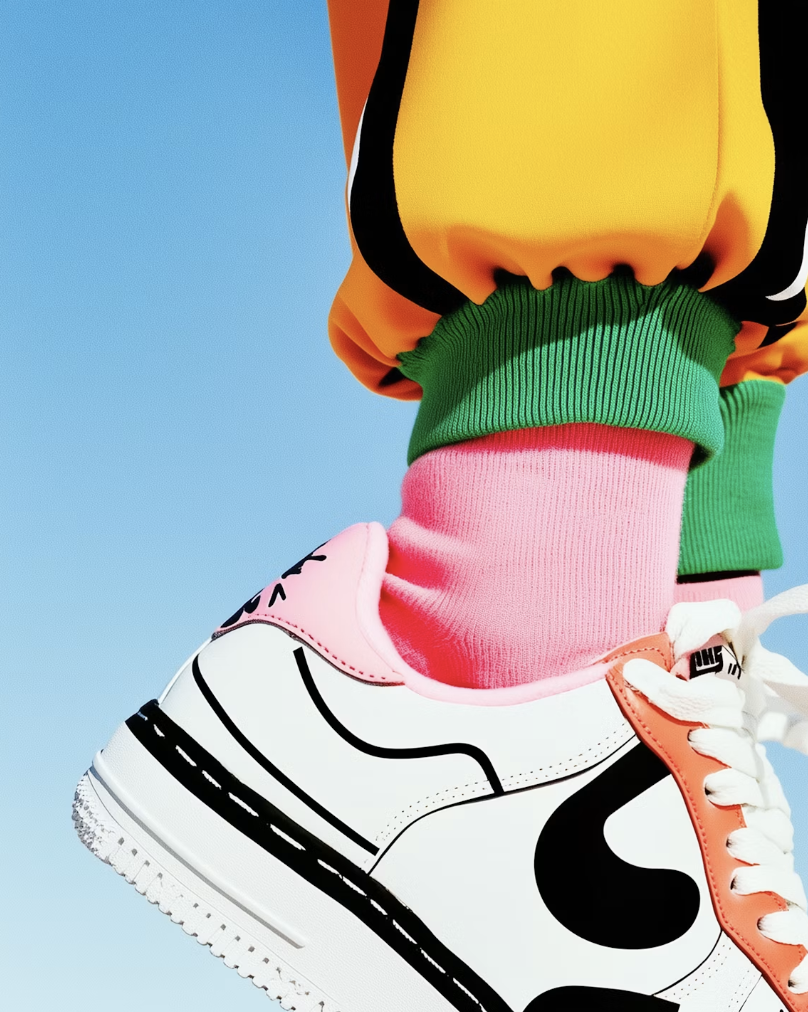
Vanguard
16 / 41
Vanguard image. Vanguard is the break that arrives before the category has a name.
II / Vanguard
A break with the status quo.
Vanguard appears where culture is under pressure: subcultures, streets, and disrupting agents that make the old language stop working.
17 / 41
Vanguard definition. Define vanguard plainly as the break with the status quo. It usually arrives from subcultures, streets, and disruptive actors before it becomes a recognized style.
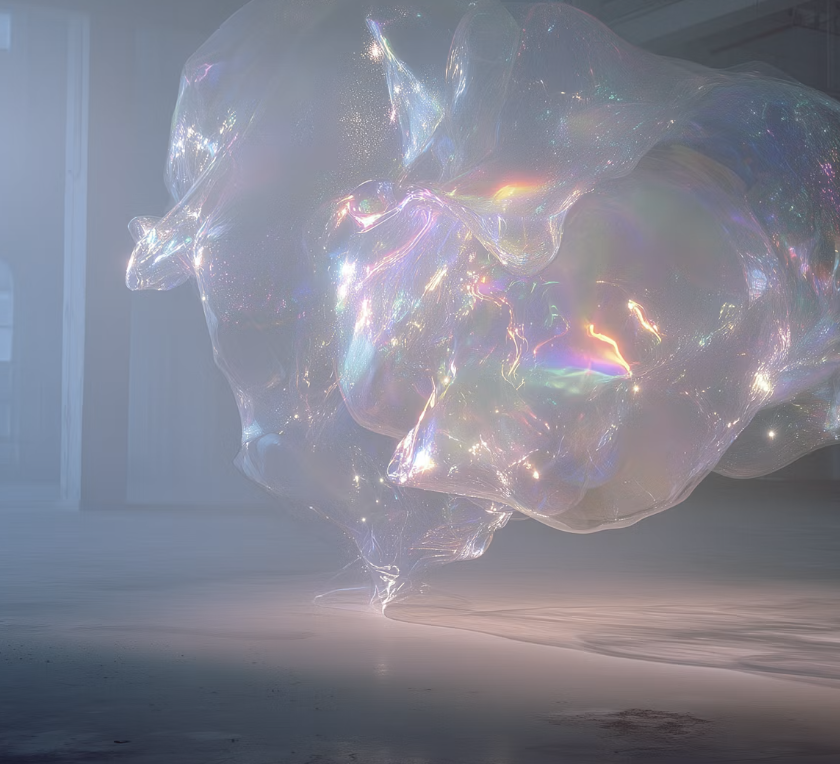
IMAGIN
ATION
18 / 41
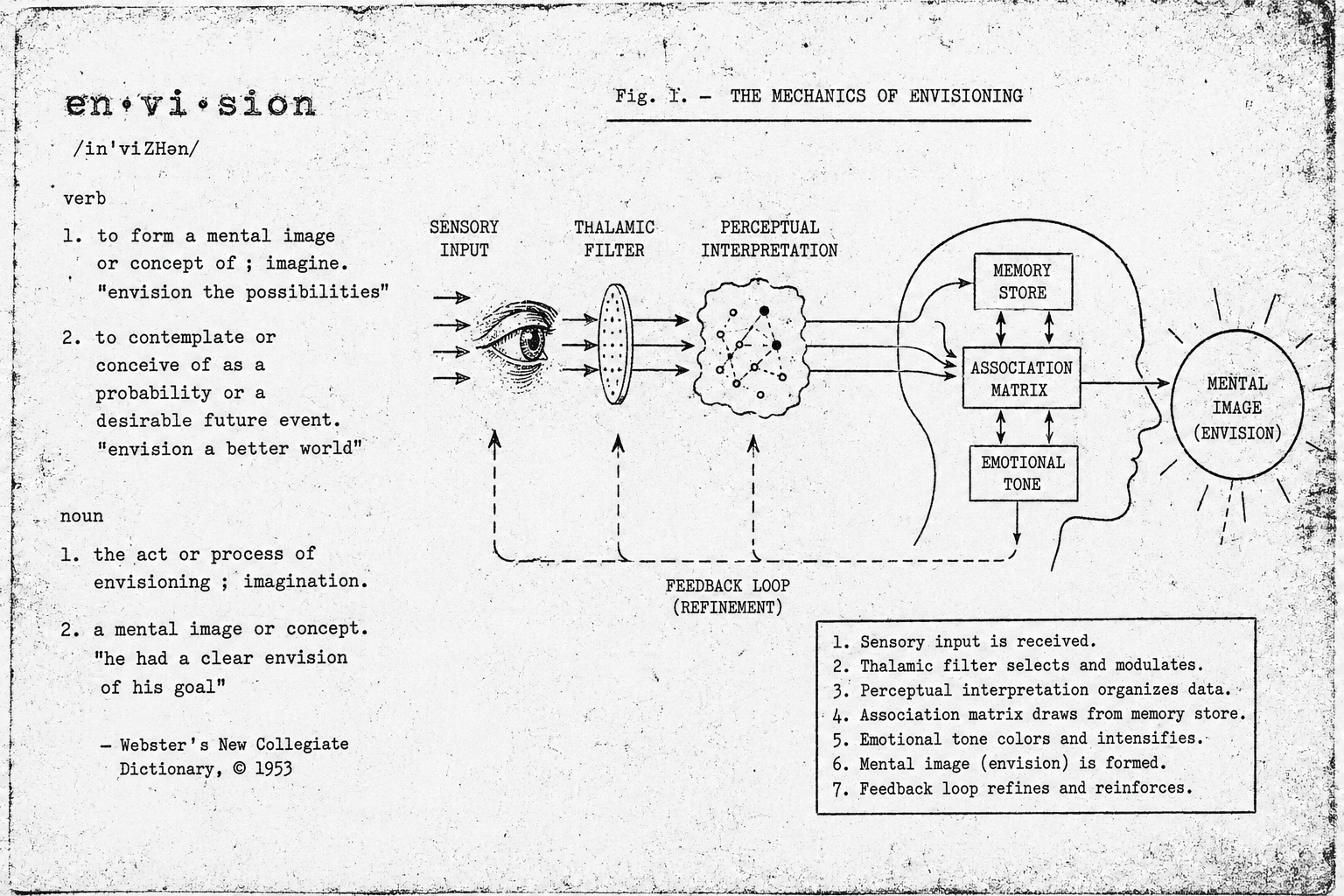
Imagination image. Imagination is the ability to hold the next image before culture has made it easy.
19 / 41
Envision image. Centered visual reference.
Vanguard
Taste
Style
Imagination
Vanguard breaks the status quo, becomes a synonym of good taste, gets defined as a style, and imagination is called to remix or break the status quo into vanguard.
20 / 42
The cycle. Vanguard breaks the status quo. Taste recognizes it. Style codifies it. Imagination remixes or breaks it, returning culture to vanguard.
Ioana Teleanu in LummiStyle / taste / vanguard
Taste is not the end
How fast do AI style choices become outdated?
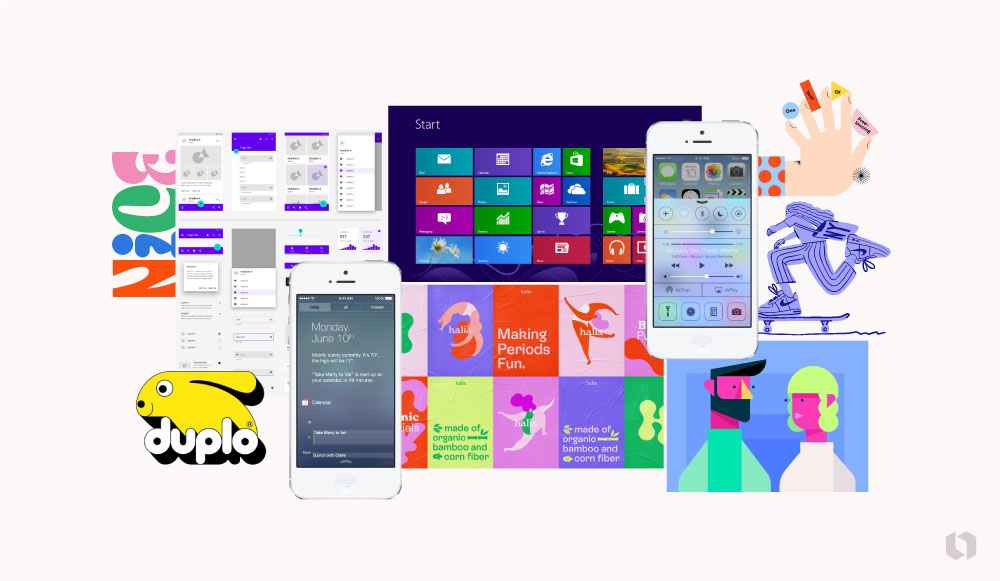
This cycle is not new. Remember flat design?
20 / 41
Taste, 90 sec. Keep it concrete. AI can make tasteful things because taste often means selecting well inside an existing style. The human edge is earlier: noticing a new signal before it becomes a style.
IIIWild data.
If imagination is the skill, then the raw material has to come from outside the model.
21 / 41
Transition, 20 sec. This part explains why designers still need to go to the world. The model learns from culture after culture has already happened.
III / Imagination needs material
The model is trained on yesterday.
AI Safety Directory, 2026 — aisecurityandsafety.org/en/guides/model-collapse
It sees records.Images, words, patterns, things culture has already made visible.
It recombines well.That can be useful, fast, and beautiful.
It misses the raw stuff.The awkward, new, local, bodily, not-yet-named material.
22 / 41
Wild data setup, 2 min. Avoid “corpus” if possible. Say: the model learns from what culture has already made visible. That is why it is powerful. It is also why it is late. It cannot directly live in the world.
Wild data
New work starts close to real life.
Streets. Subcultures. Team politics. A customer saying the thing no survey would predict.
Google DeepMind in PexelsWild data
23 / 41
Wild data, 90 sec. Define wild data simply: the material that is still alive and not yet cleaned up. A weird customer sentence. A new behavior. A visual thing in a neighborhood. The model will get it later. Designers need to catch it now.

Bad Bunny
24 / 41
Visual example. The rise of Bad Bunny as a global masculine archetype. Especially his appearance and dominance around the Super Bowl cultural orbit.
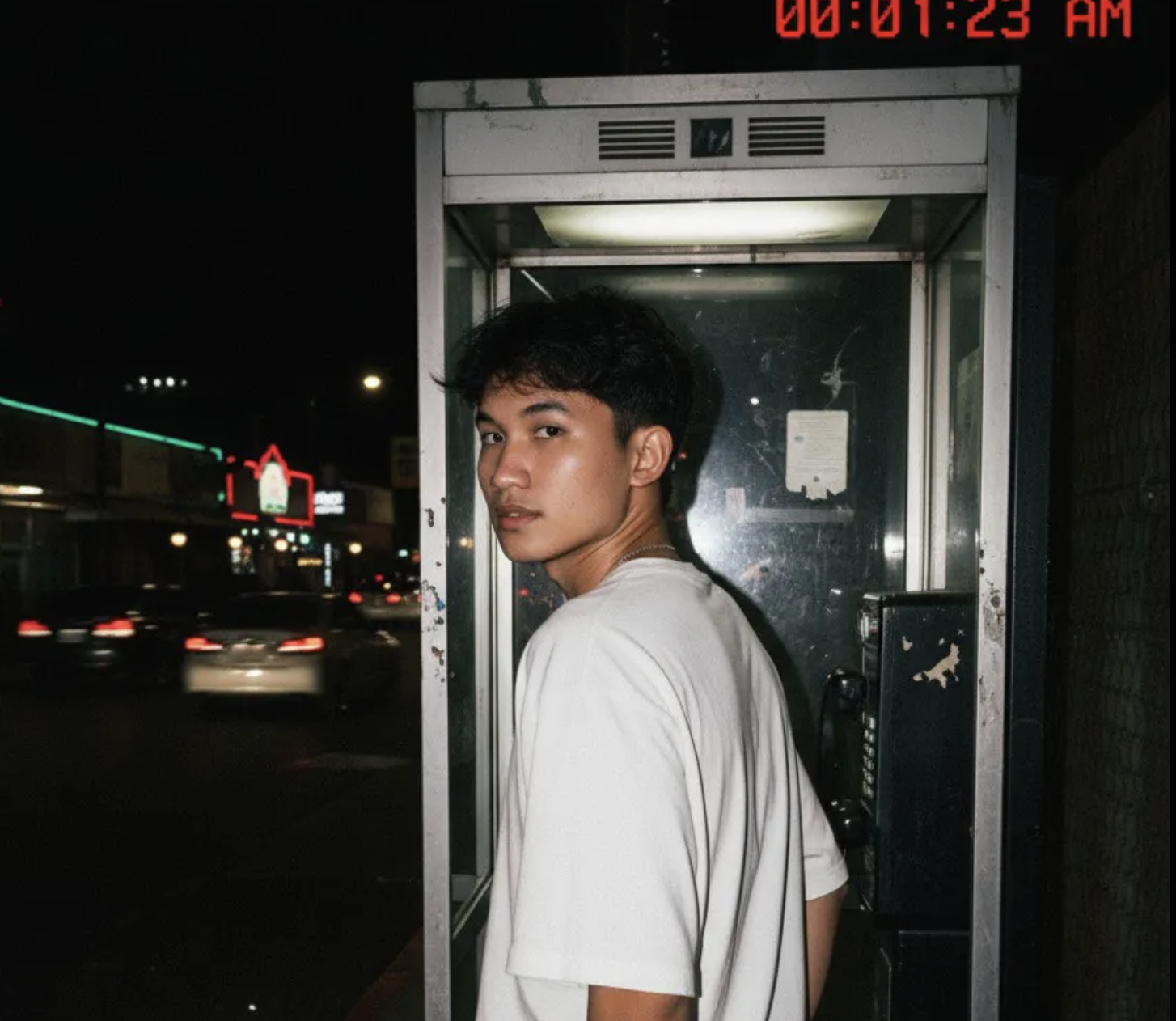
Y2K Flash
25 / 41
Visual example. Younger generations became fascinated with chaotic Millennial perfectionism: nightlife imagery and morally ambiguous glamour, despite the opposite ethos of these generations.
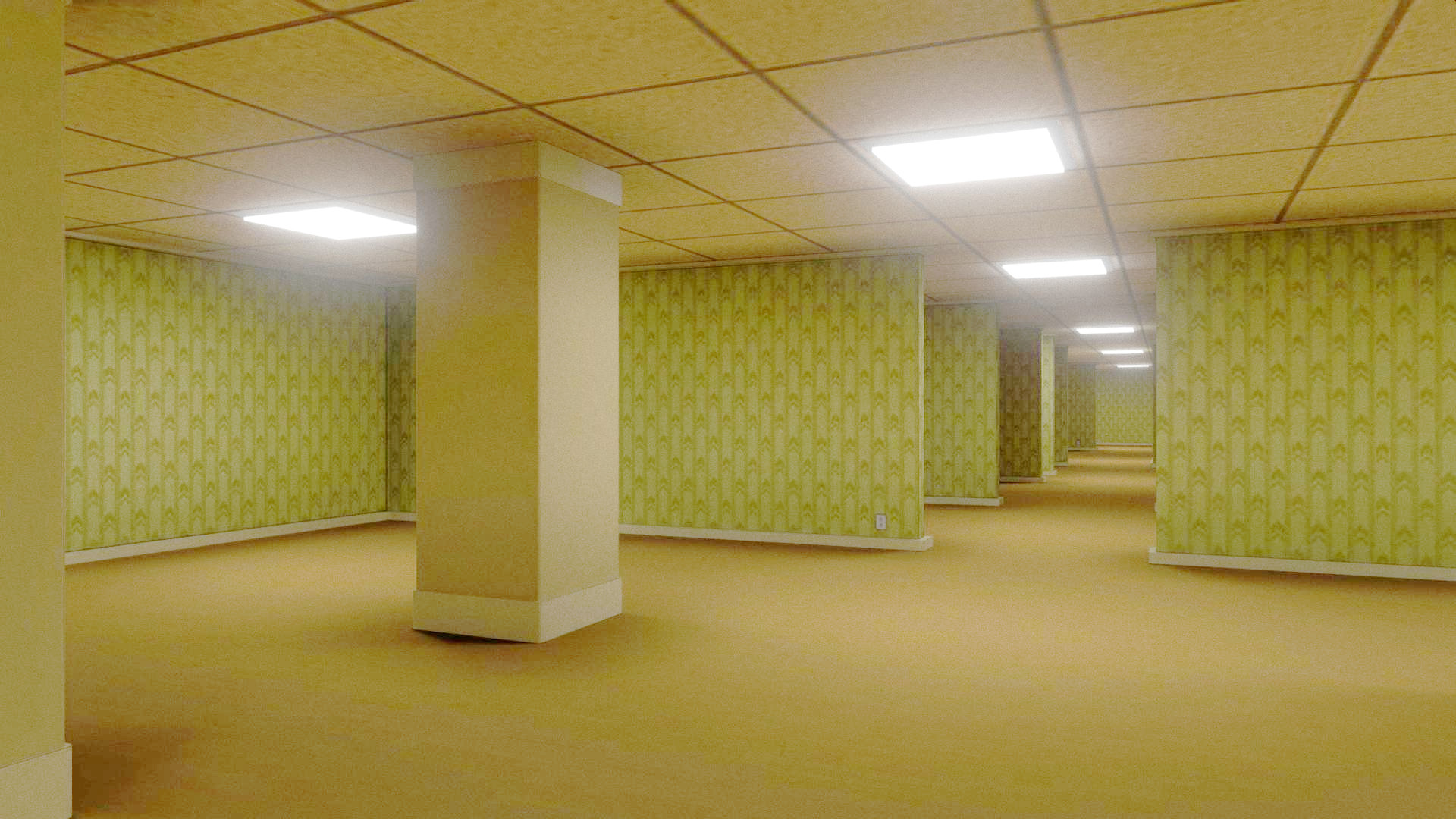
YouTube Horror
26 / 41
Visual example. Why did it take 20 years for YouTube to influence cinema, and not the other way around? Nobody knows.

Baggy Pants
27 / 41
Visual example. Who told that all of a sudden the most persistent trend of Millennial skinny jeans would vanish? Who decided it was over, when? Not AI.
Image placeholder / liquid.gif
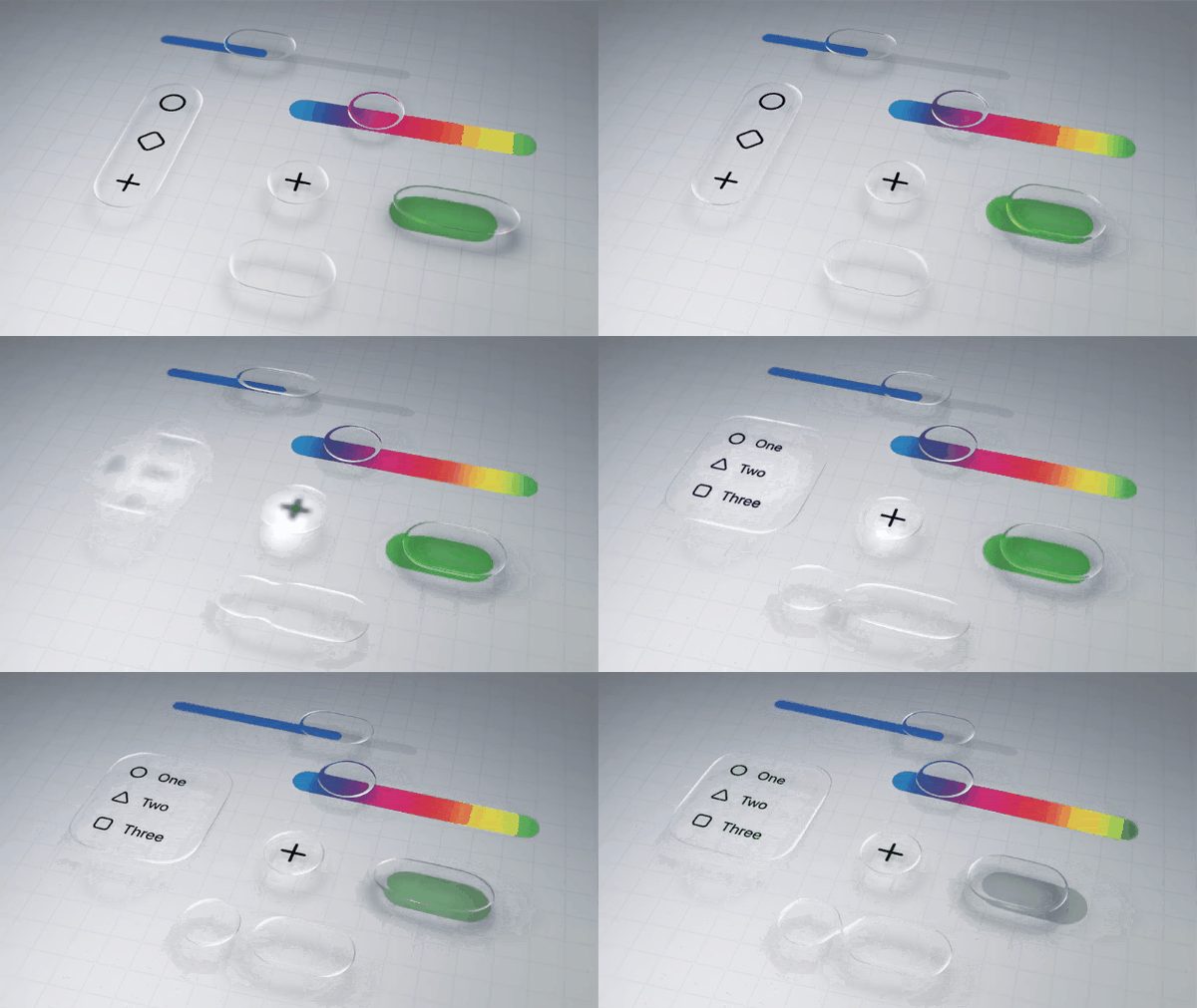
Liquid Glass
28 / 41
Liquid glass. Placeholder background expects assets/liquid.gif.
The next thing is always up to us.
29 / 41
Transition, 30 sec. Use this as the hinge from cultural examples back to the practical tool question. Trends do not arrive by committee. Someone notices, names, and moves first.
IVThe microphysics of design.
Now we return to the software: why the tool still needs a person with direction.
33 / 41
Transition, 20 sec. The final part is about the interface problem. AI is powerful, but it often asks for a destination before the designer has discovered one.
Video placeholder / coffee
Design is not prompting. Design is iteration at the millisecond scale. Imagination also processes perception, real-world wild data, and the next thing.
34 / 41
Microphysics title. Background uses assets/coffee.mov. The point is that design work happens through rapid perception, adjustment, and selection.
IV / The tool problem
AI asks you to know before you see.
That is why imagination matters more, not less. You need a direction before the tool can help.
35 / 41
Tool problem, 2 min. Now return to the interface. In graphical tools, you can move things and discover what you mean. In prompt-based AI, you often have to describe the destination before seeing it. That makes imagination a practical skill, not a poetic one.
Video placeholder / wild-data.mp4
IMAGINATION AND DIFFERENTIAL
AI changes the status quo by making creative production cheaper. Most outputs are still average.
The differential is taste: selecting, rejecting, and sharpening what the tool produces.
The fuel is observation. Imagination turns wild data and pre-prompt vision into something new. IMAGINATION IS YOUR ADVANTAGE.
36 / 41
Imagination and differential. Background uses a dimmed assets/wild-data.mp4. Use this as the synthesis of AI, taste, observation, and imagination.
So what should designers do?
Let AI handle the obvious.
Spend more time with the not obvious.
Give away standards.Checks, variants, drafts, patterns, cleanup.
Stay with reality.People, places, tensions, references, strange signals.
Practice seeing.Build the image in your head before you ask the tool.
37 / 41
Practice, 2 min. This is the practical answer. Do not fight AI for the work it is good at. Use that time to get closer to real material and to build a stronger internal image. That is the path to more valuable work.
So what should designers do?
If you can envision, and if you have a sharp eye, you're ahead.
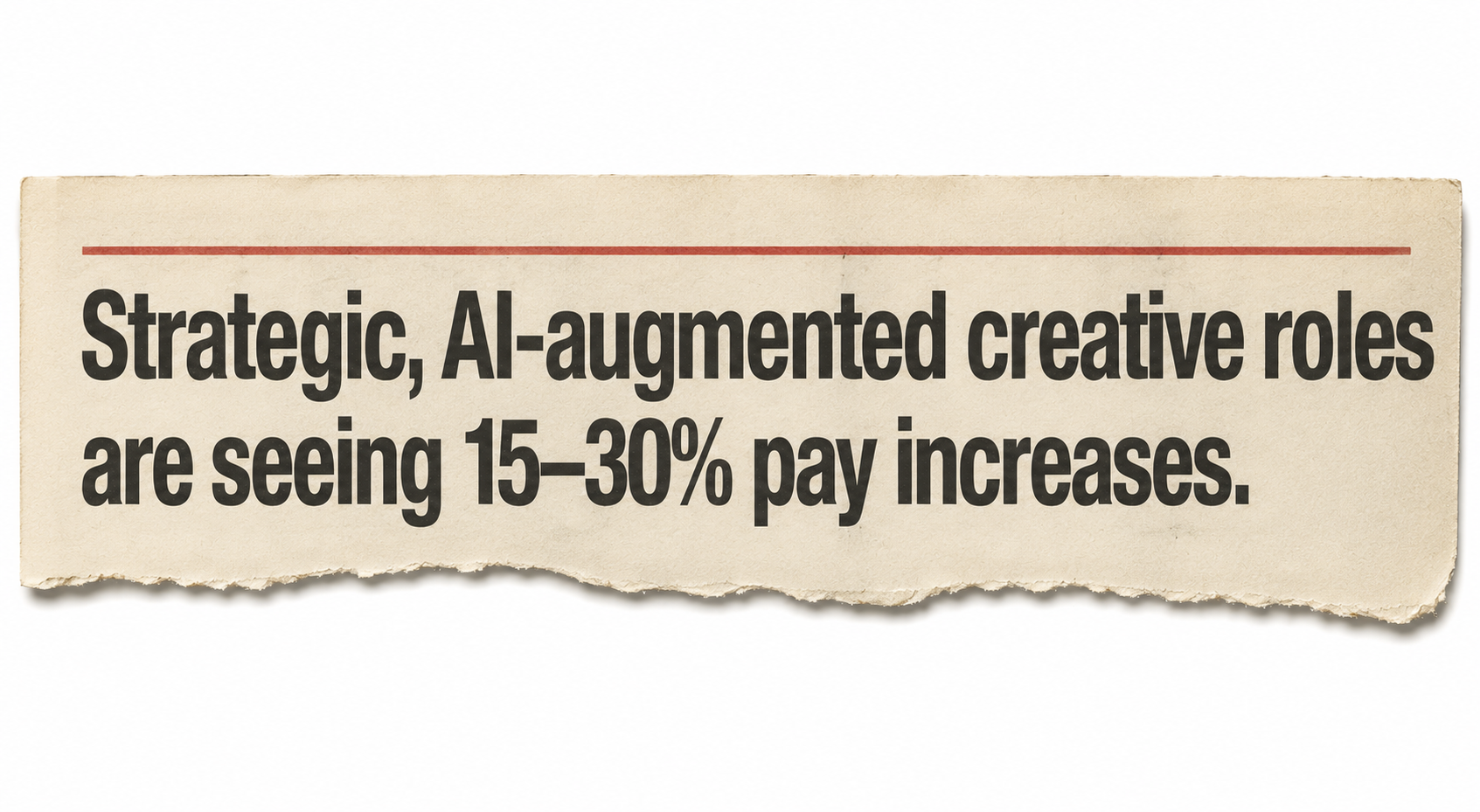
AI Magicx, 2026 — aimagicx.com/blog/ai-job-disruption-report-roles-eliminated-created-2026
Imagination gives you precision.Designers who can picture an outcome can prompt with more precision. Others must generate repeatedly to discover what they want.
Fast cycles sharpen taste.Designers repeatedly imagine, generate, compare, reject, and refine. This builds judgment about what is good, relevant, and becoming conventional.
The same skill can move you up.Imagination is not limited to visual style. Designers can imagine what a product should do, whom it should serve, and why it should exist.
38 / 41
Envision advantage. Imagination improves prompting precision, fast cycles sharpen taste, and the same skill can extend upstream into product purpose and vision.
Video placeholder / stare.mp4
DESIGN STEPS UP?
Designers are now called to stop following, use imagination to envision, select, prompt, and reason their choices. This can be a step up.
39 / 41
Design steps up? Background uses assets/stare.mp4 with increased contrast and saturation. End the argument by framing the shift as higher responsibility, not lower value.
A question to take with you
How do I find what’s mine?
This is a cognition question. The machine is now a reasoning partner. Allow yourself to have a partner, and you may discover what is yours.
Evidence [E]. Reveal the response only after letting the question sit.
A question to take with you
How can I work?
What will you verbalize before you visualize? What will make fine-tuning a creative process?
How will you commit to a workflow that works both ways, before and after prompting, with you and your team?
Evidence [E]. Treat prompting as one movement inside a reciprocal workflow, not the whole workflow.
A question to take with you
How do I get into my creativity path?
Question. Let this stand alone before moving to the answer.
A path to take with you
Find your path to getting lost.
“Narratives produce the ties that bind us.” — Byung-Chul Han, The Crisis of Narration. Han’s claim is that immersion turns isolated events into shared experience, continuity, and community.
Evidence [E]. Reveal the Han subtitle after the title finishes typing.
40 / 41
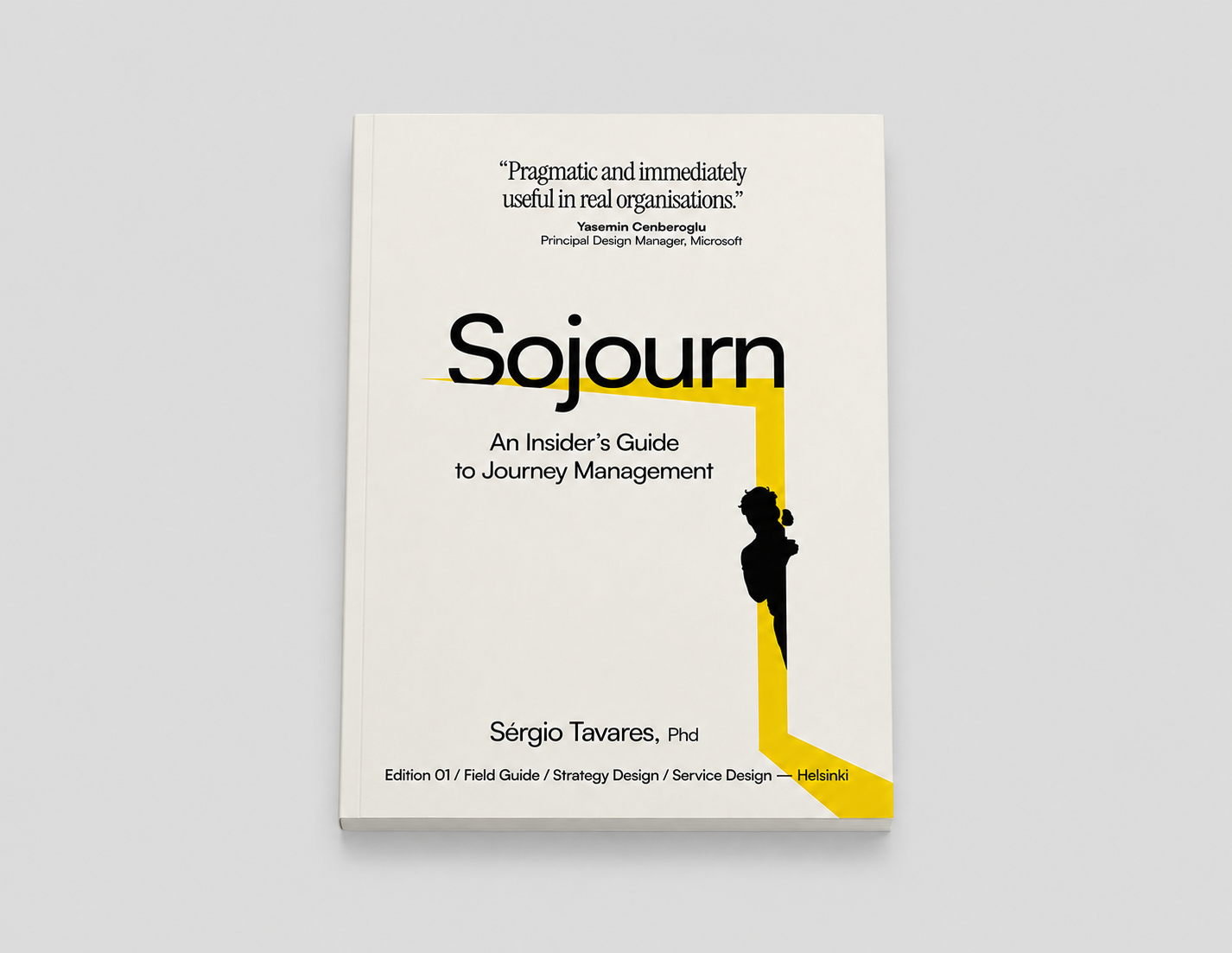
Sojourn, 30 sec. Mention the book is available and keep the rotating previews moving like a quiet GIF.
41 / 41
Close, 60 sec. End cleanly and leave the contact slide up with name, role, web, and LinkedIn QR visible.